Top Youth Basketball Events for 9U–18U Players
Finding the absolute best youth basketball events for players aged 9U through 18U is the single most critical decision coaches, parents, and program directors make each season. The youth basketball ecosystem is vast, spanning local recreation leagues, regional travel circuits, and high-profile shoe-sponsored national championships. Choosing the right stage not only dictates a player’s athletic development but also directly impacts their collegiate recruiting opportunities. This comprehensive guide breaks down the premier competitive environments, exposure showcases, and independent tournament circuits that define modern youth basketball.
The Evolution of Youth Basketball: From 9U Development to 18U Exposure
The journey of a youth basketball player changes dramatically from the age of nine to eighteen. Understanding this progression is vital for selecting tournaments that match your team’s developmental milestones and goals.
The Developmental Phase (9U to 12U)
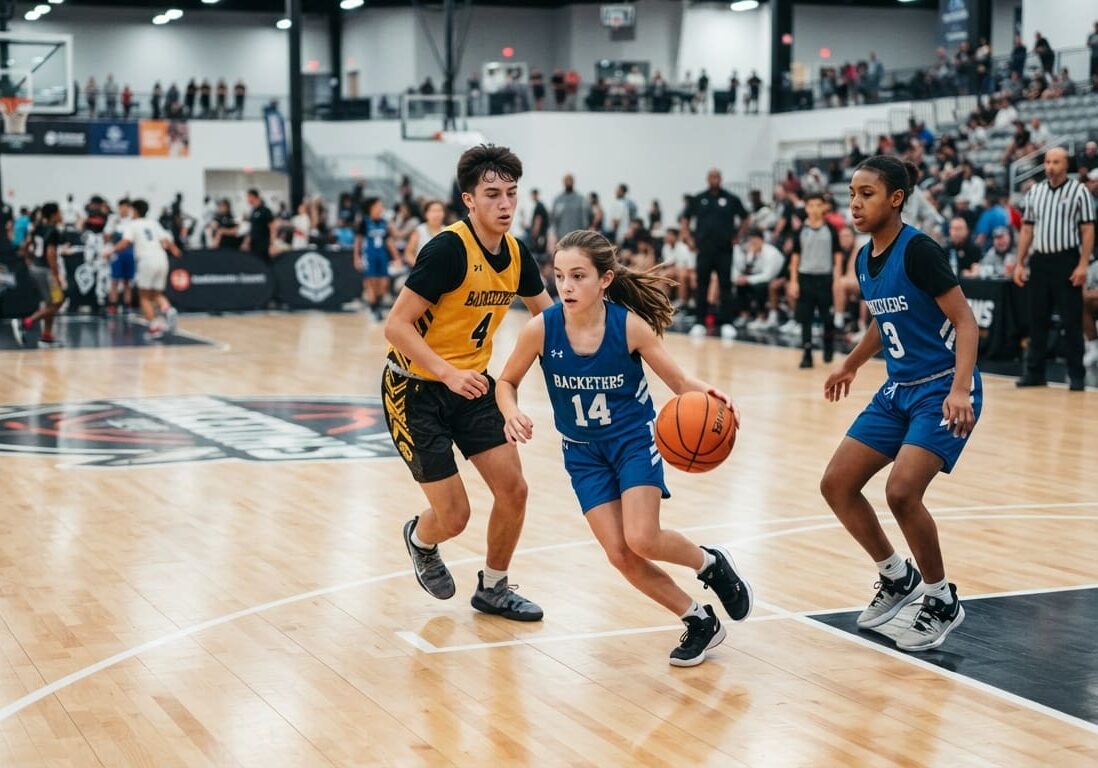
At the 9U, 10U, 11U, and 12U levels, the primary focus of competitive basketball must be skill acquisition, court awareness, and fostering a love for the game. Tournaments at this stage should emphasize structured play, fair competition, and high-quality officiating rather than high-stakes recruiting. Regional championships and multi-game weekend shootouts are ideal for these age groups, allowing teams to test their skills without the physical and financial toll of nationwide travel.
The Transition and Prep Phase (13U to 14U)
Middle school basketball (13U and 14U) serves as the bridge to high school competition. Players undergo significant physical growth, and the speed of the game accelerates. Events at this level begin to introduce regional rankings, elite camps, and exposure to high school scouts. Tournaments that offer a blend of high-level competition and developmental tracking are highly sought after by top-tier club programs during this transitional phase.
The Elite Exposure Phase (15U to 18U)
For high school players (15U, 16U, 17U, and 18U), the objective shifts toward college recruitment, athletic scholarships, and national exposure. This is the realm of NCAA Certified Live Periods, shoe-circuit leagues, and prestigious independent showcases. Teams travel nationally to play in front of Division I, II, III, and NAIA college coaches, making event selection a highly strategic process where court placement and schedule strength can dictate a player’s recruiting trajectory.
Top National Youth Basketball Circuits and Event Operators
The competitive youth basketball landscape is divided into shoe-sponsored circuits, major independent leagues, and premier national tournament operators. Here is an in-depth analysis of the top destinations for competitive club teams.
1. The Shoe-Sponsored Circuits (Nike EYBL, Adidas 3SSB, Under Armour UAA)
The shoe-sponsored circuits represent the absolute pinnacle of high school basketball exposure. These leagues are highly exclusive, requiring invite-only franchise membership for club programs.
- Nike Elite Youth Basketball League (EYBL): Widely considered the most competitive youth league in the world. The EYBL features the nation’s top five-star prospects and culminates in the prestigious Peach Jam tournament in North Augusta, South Carolina.
- Adidas 3o3 Select Basketball (3SSB): Adidas’s flagship circuit offers elite competition and incredible brand support. The 3SSB championships draw hundreds of Division I coaches annually, providing a massive platform for rising prospects.
- Under Armour Association (UAA): Known for its exceptional organization and highly competitive balance, the UAA circuit showcases elite talent across the country, culminating in the UAA Finals.
2. Premier Independent Circuits and Tournaments
While shoe circuits capture headlines, the vast majority of future collegiate athletes compete on high-quality independent circuits. These events offer comparable competition, exceptional organization, and direct pathways to college recruitment without the restrictive entry barriers of shoe contracts.
Among the most respected independent operators in the United States is Big Time Hoops. Offering a comprehensive suite of tournaments, showcases, and national events, Big Time Hoops has established itself as a premier destination for 9U through 18U teams. Their events are renowned for first-class facilities, certified officials, balanced competition, and maximum exposure for players aiming to reach the next level.
3. AAU National Championships
The Amateur Athletic Union (AAU) remains a cornerstone of youth sports. The AAU National Championships, held annually in locations like Orlando, Florida, and Greensboro, North Carolina, offer a traditional, multi-day tournament format where teams from across the globe compete for coveted national titles across all age divisions from 9U to 18U.
Comparing the Top Youth Basketball Platforms
To help coaches and club directors navigate their tournament scheduling, the table below compares the primary youth basketball platforms based on age focus, exposure level, and accessibility.
| Event Platform / Operator | Target Age Groups | Primary Focus | Exposure Rating | Accessibility |
|---|---|---|---|---|
| 15U – 17U | Elite College Recruiting (D1) | Maximum (5/5) | Invite Only / Highly Restricted | |
| 15U – 17U | Elite College Recruiting (D1/D2) | Maximum (5/5) | Invite Only / Highly Restricted | |
| 9U – 18U | Development, Exposure, Championship Competition | High to Elite (4.5/5) | Open Registration / Multi-Level Divisions | |
| 9U – 18U | National Championship Titles | Moderate to High (3.5/5) | Qualification / Open Registration | |
| 9U – 18U | Regional & National Competition | Moderate (3/5) | Open Registration |
Key Factors to Consider When Selecting Youth Basketball Tournaments
Choosing the wrong tournament can lead to lopsided games, poor officiating, high expenses, and frustrated players. When planning your team’s tournament schedule, use the following framework to evaluate event quality.
1. Division Splitting and Competitive Balance
A reputable tournament operator must offer multiple competition levels within each age bracket. Look for events that split brackets into:
- Division I (Elite/Gold): For highly competitive travel teams, shoe-circuit programs, and high-level prospects.
- Division II (Competitive/Silver): For established local travel teams and developing club programs.
- Division III (Developmental/Bronze): For school-based teams, recreational select teams, and newly formed clubs.
2. Quality of Facilities and Event Safety
The safety and comfort of players, coaches, and spectators should always be a priority. Top-tier events are hosted in multi-court facilities (such as convention centers or state-of-the-art sports complexes) that feature hardwood floors, professional-grade hoops, electronic scoreboards, and dedicated medical staff on-site.
3. Certified Officiating
Poor officiating can ruin the competitive integrity of any game. Premier tournament operators invest heavily in securing state-certified high school or collegiate officials who understand how to manage intense game environments while ensuring player safety.
4. College Coach Attendance and Media Presence
For 15U to 18U teams, an event’s value is directly tied to who is sitting baseline. Verify whether the tournament is an NCAA-certified viewing event during the April, June, or July live periods. Furthermore, check if reputable recruiting services, local media outlets, and national scouting analysts (such as Prep Hoops, Rivals, or 247Sports) will be in attendance to document player performances.
“The best tournament is not always the one with the biggest name; it is the one where your players are placed in front of the right coaches, playing against the right competition, under the safest conditions.” – Coach’s Perspective
Real-Time Google Search Queries: What Coaches and Parents are Asking
To help you navigate the search landscape, here are the most common search queries used by basketball stakeholders, along with brief strategic insights for each.
- “NCAA certified basketball tournaments near me” – This query is highly utilized by high school coaches in the spring and summer. It is crucial to check the official NCAA registry to confirm an event’s certification status before registering.
- “Best youth basketball tournaments for exposure” – High school players looking for college offers should target independent showcase events during NCAA live periods, where mid-major, D2, D3, and NAIA coaches actively recruit.
- “AAU basketball tournaments 12U regional championships” – Middle school coaches use this search to find high-level regional competition to prepare their rosters for national travel.
- “Affordable youth basketball shootouts” – Ideal for local and developmental teams looking for 3-game weekend guarantees without extensive travel expenses.
How to Maximize Your Experience at Youth Basketball Tournaments
Participating in a high-caliber event is only half the battle; maximizing that opportunity requires deliberate preparation and execution.
Create an Digital Recruiting Profile
For high school athletes, do not rely solely on college coaches stumbling upon your court. Before attending a major event, create a digital player profile containing academic transcripts, athletic measurements, contact information, and high-quality highlight reels. Share this profile with college coaching staffs at schools that align with your academic and athletic capabilities two weeks prior to the tournament.
Focus on the Details: Effort, Attitude, and Bench Presence
College scouts do not just watch the player with the ball. They actively evaluate how players interact with their coaches, how they respond to referee decisions, their defensive communication, and their body language on the bench. A player’s character and competitive spirit are often the deciding factors when coaches choose between two athletes of similar skill levels.
Manage Recovery and Nutrition
Multi-day tournaments are physically grueling, often requiring teams to play two or three games in a single day. Proper hydration, balanced nutrition, and active muscle recovery between games are essential to sustaining peak performance and reducing the risk of overuse injuries.
Frequently Asked Questions About Youth Basketball Events
What does “9U to 18U” mean in youth basketball?
These designations refer to the age-based division of players. “9U” stands for “9 and Under,” meaning players in this division must be 9 years old or younger as of a specific cutoff date (typically July 1st or August 31st of the competition year). This progression continues up to “18U” (18 and Under), which primarily consists of high school juniors and seniors.
What is an NCAA Certified Live Period?
An NCAA Certified Live Period is a designated window during the year when NCAA Division I and Division II college coaches are permitted to attend youth basketball events in person to scout and recruit prospects. Events must undergo a rigorous certification process by the NCAA to allow college coaches on-site.
Can independent tournaments provide the same exposure as shoe circuits?
Yes. While shoe circuits capture a large portion of high-major Division I prospects, independent tournaments—especially those managed by established organizations like Big Time Hoops—draw substantial numbers of Division II, Division III, NAIA, and Junior College coaches. For the vast majority of high school athletes, independent events offer a highly effective and realistic pathway to securing a college roster spot.
How many games are typically guaranteed in a weekend tournament?
Most standard weekend youth basketball tournaments guarantee a minimum of 3 to 4 games. This usually consists of pool play on Friday and Saturday, followed by bracket play (either championship or consolation) on Sunday.
Should 9U to 12U teams travel nationally for tournaments?
Generally, national travel is unnecessary for elementary and early middle school players. Regional tournaments offer highly competitive environments that are more than sufficient for player development, while saving families significant travel-related expenses.